


Top Recovery Strategies for Athletes: Heal Sprains and Strains with RICE and Nutrition

Sprains and strains are common injuries for athletes, often sidelining them from training and competition. Knowing top recovery strategies for athletes can make a big difference in how quickly you get back to your sport. Read on to explore proven recovery methods, focusing on the RICE protocol and nutrition that supports healing. Also learn how The Athlete Stop offers valuable resources to help athletes recover faster and stronger.

Understanding Sprains and Strains
Sprains happen when ligaments, the tough bands connecting bones, stretch or tear. Strains involve muscles or tendons being overstretched or torn. Both injuries cause pain, swelling, and limited movement. Quick and proper care reduces the risk of long-term damage and speeds up healing.
Athletes face these injuries frequently due to sudden twists, falls, or overuse. Recognizing the injury early and applying the right recovery steps is crucial.
The RICE Method: One of the Top Recovery Strategies for Athletes
The RICE method stands for Rest, Ice, Compression, and Elevation. It remains one of the most effective first-aid treatments for sprains and strains.
Rest - Resting the injured area prevents further damage and allows the healing process to begin. Avoid putting weight or strain on the injury for at least 24 to 48 hours. Using crutches or braces may help protect the area during this time.
Ice - Applying ice reduces swelling and numbs pain. Use an ice pack wrapped in a cloth and apply it for 15 to 20 minutes every two to three hours during the first 48 hours after injury. Avoid placing ice directly on the skin to prevent frostbite.
Compression - Compression helps control swelling and provides support. Use an elastic bandage or compression wrap snugly around the injured area, but not so tight that it cuts off circulation. Adjust the wrap as swelling changes.
Elevation - Elevate the injured limb above heart level whenever possible. This position helps reduce swelling by allowing fluids to drain away from the injury site.
Together, these four steps reduce inflammation, ease pain, and set the stage for faster recovery.

Nutrition That Supports Healing
What you eat plays a vital role in how your body repairs itself. Certain nutrients speed up tissue repair, reduce inflammation, and strengthen muscles and ligaments.
Lean Proteins
Protein provides the building blocks for tissue repair. Include sources like:
Chicken breast
Turkey
Fish
Eggs
Plant-based proteins such as lentils and quinoa
Aim for a balanced intake throughout the day to support continuous healing.
Fruits and Vegetables
Rich in vitamins, minerals, and antioxidants, fruits and vegetables help reduce inflammation and protect cells. Focus on:
Berries (blueberries, strawberries) for antioxidants
Citrus fruits (oranges, grapefruits) for vitamin C, which supports collagen formation
Leafy greens (spinach, kale) for vitamins A and K
Bell peppers for vitamin C and antioxidants
Healthy Fats
Omega-3 fatty acids found in fatty fish (salmon, mackerel), walnuts, and flaxseeds help reduce inflammation and support cell repair.
Hydration
Staying hydrated flushes toxins and supports nutrient transport. Drink plenty of water throughout the day.
Avoid Inflammatory Foods
Limit processed foods, excessive sugar, and trans fats, which can increase inflammation and slow healing.
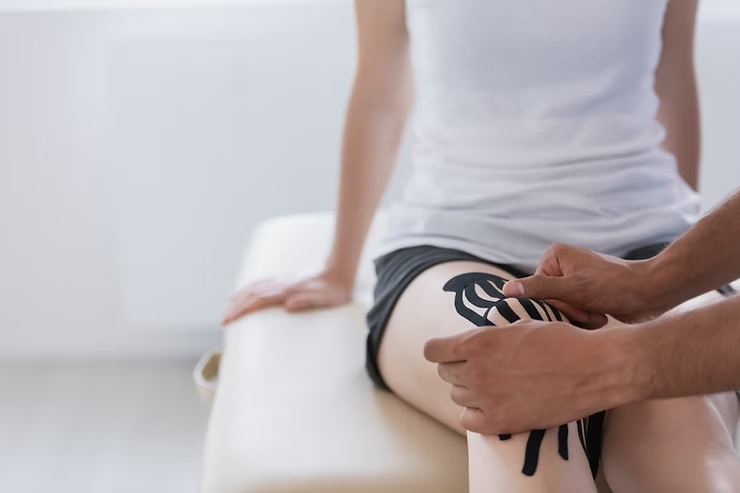
How The Athlete Stop Supports Your Recovery
At The Athlete Stop, we don't just treat the symptoms of a sports injury—we identify and address the underlying cause to help you recover faster and reduce your risk of future injuries. Your personalized treatment plan may include:
Comprehensive movement assessment to identify biomechanical imbalances and the source of your injury.
Sports chiropractic care to restore joint mobility, improve alignment, and reduce pain.
Physical therapy to rebuild strength, flexibility, stability, and proper movement patterns.
Advanced recovery treatments, including Class IV Laser Therapy, dry needling, and myofascial release, to promote healing and relieve pain.
Regenerative medicine options, such as PRP and A2M injections, for appropriate injuries.
Movement analysis technology, including DARI 3D Motion Capture and gait analysis, to identify faulty movement patterns and help prevent future injuries.
Our integrated approach helps athletes recover stronger, move better, and get back to doing what they love with confidence.
By combining these tools with the RICE method and proper nutrition, athletes can shorten downtime and return to their sport with confidence.
Practical Tips for Faster Recovery
Start RICE treatment immediately after injury to control swelling.
Keep a food diary to ensure you consume enough protein and vitamins.
Use The Athlete Stop’s personalized rehabilitation programs to regain mobility without rushing.
Listen to your body and avoid pushing through pain during recovery.
When to Seek Professional Help
If pain or swelling worsens after 48 hours, or if you cannot move the injured area, see a healthcare professional. Severe sprains or strains may require imaging tests or physical therapy.
Recovering from sprains and strains requires a combination of proper care and good nutrition. The RICE method remains a reliable first step, while eating the right foods supports your body’s natural healing. The Athlete Stop provides practical tools and expert guidance to help athletes heal faster and get back in the game.
Start your recovery today by applying RICE, fueling your body with healing foods, and exploring the resources available at The Athlete Stop. Your next win starts with how well you recover.


Comments